

Vaping Throughout The Years: The History And Evolution of Vaping
Publié par Kayleigh Kivell le
Everyone talks about the coolest vapes they’ve tried recently, whether it’s the newest on the market or a vape flavour they’ve become obsessed with! But have you ever thought back to one of your old favourites that has sadly been discontinued? Or have you ever wondered about the history of vaping? Well, let’s talk about it!

Key Milestones In Vaping History
1927
- A man named Joseph Robinson filed the first ever patent for an electric vaporizer.
1960’s
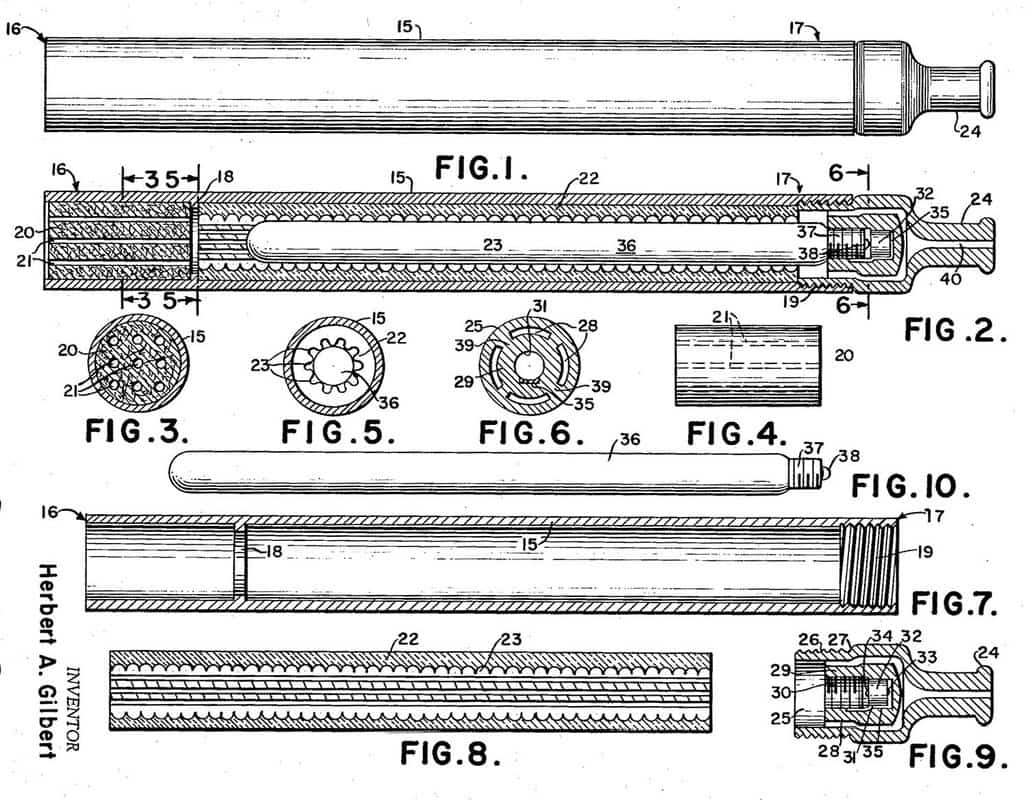
- In 1963, Herbert A. Gilbert submitted an application to the U.S Patent of a e-cigarette. With the application suggesting a “safe and harmless method of smoking” with a “smokeless non-tobacco cigarette” by replacing tobacco and paper with heated, flavoured air.
- Herbert A. Gilbert patented the first device using a battery in 1965, but it failed to enter the mass market.
1979-1980’s
- Phil Ray and Norman Jacobson developed the first commercialized non-electric, nicotine-evaporating device, often called the “Favor” which failed due to being faulty
- the term “vape” began being used
2003
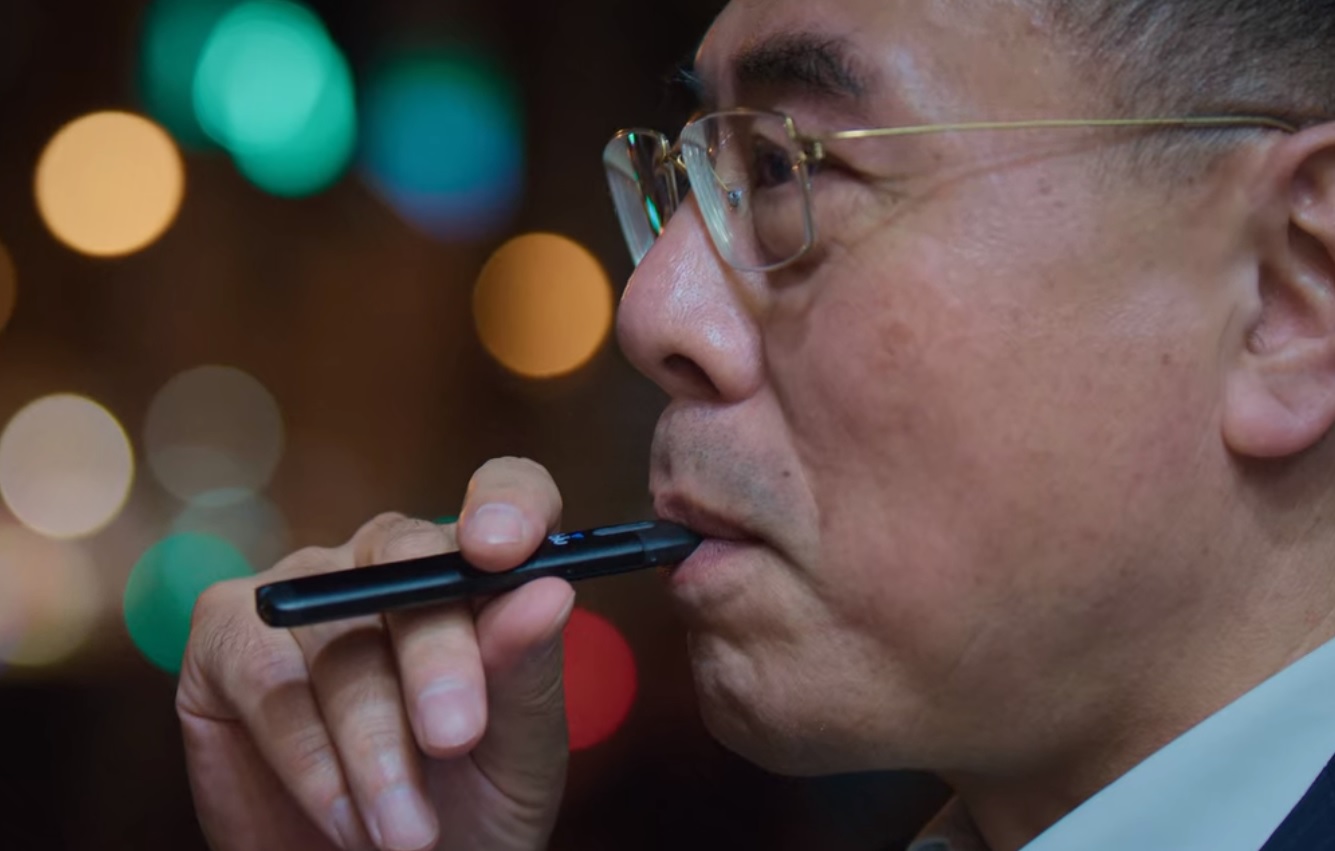
- the first modern vape was developed by Hon Lik, a Chinese pharmacist
- the vape device Hon Lik developed used a lithium battery and an atomizer to vaporize liquid
2006-2007
- vaping devices were introduced in Europe in 2006 and in the U.S. in 2007
- these devices initially started as “cig-alikes” designed to look like traditional cigarettes

2008-2012
- the development of “vape pens” or tanks allowed users to refill e-liquids
- these developments led to rapid market growth
2010’s
- as vaping grew in popularity, manufacturers started developing different flavours of e-liquid
- in the mid-2010’s, the invention of nicotine salts hit the market and allowed for higher nicotine concentrations
2012-2015
- the introduction of “mods” (modified devices) offering higher voltage and larger capacities was developed
- the launch of JUUL in 2015, which used nicotine salts to deliver high nicotine levels became very popular

2016- Present
- vapes has become regulated by the government
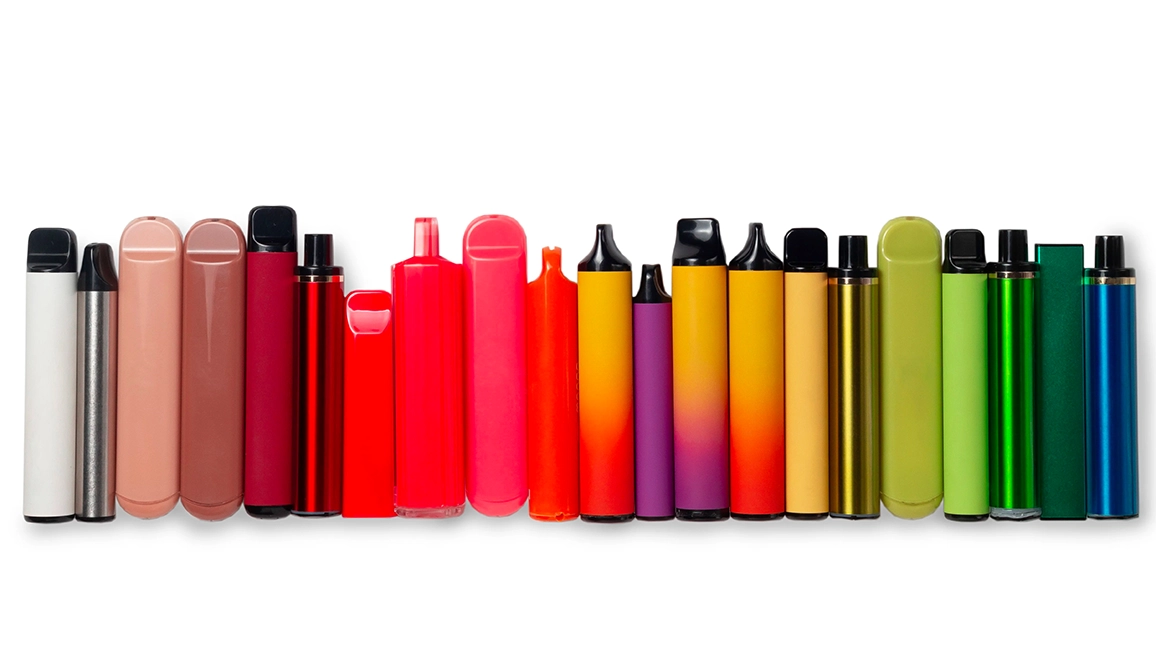
- the market has shifted toward pod-based vaping systems and disposables
Evolution of Device Generations
First Generation (Cig-alikes):
- were small devices designed for maximum similarity to tobacco cigarettes
Second Generation (Vape Pens):
- larger devices, often rechargeable and refillable were introduced, offering more power
Third Generation (Mods):
- customizable, high-power devices with large tanks for customized vapour production
Fourth Generation (Pods & Disposables):
- compact, often closed-system devices, best known for utilizing high-strength nicotine salts
Evolution of Canadian Vaping
Phase 1 (2007-2015)
- vaping products first appeared in Canada around 2007, initially marketed as a smoking cessation aid
- early devices mimicked the shape and size of traditional cigarettes
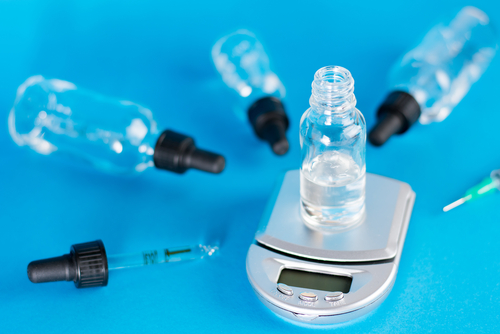
- users engaged heavily in a DIY culture, mixing their own e-liquids and building customized heating coils to produce larger clouds
Phase 2 (2015-2020)
- vaping products became sleeker and more accessible
- devices like JUUL introduced “nicotine salts” which allowed vapes to deliver significantly higher, smoother nicotine concentrations
Phase 3 (2018-2021)
- the Canadian federal government passed the Tobacco and Vaping Products Act, establishing the first national legal framework to regulate the manufacture, sale and promotion of e-cigarettes
- Health Canada implemented a national cap on nicotine concentration, limiting e-liquids to a maximum of 20mg
Phase 4 (2022-present)
- the Canadian market is heavily dominated by single-use, pre-filled disposables
- many brands including Flavour Beast and STLTH are offering high puff-counts and a wide array of flavours
The Future of Vaping: Key Trends That Are Shaping The Industry
Personalization
- customization remains highly valued with vaping customers
- future hardware and e-liquids focus heavily on giving users precise control over cloud size, throat hit and tailored flavour blends
Smart/ AI-Powered Devices
- next-generation vape products feature advanced battery technology, faster charging and AI powered interfaces that automatically adjust temperature, airflow and preserve e-liquid based on user behaviour

The Decline of Disposables
- due to single-use bands in many regions such as the UK, users are moving toward rechargeable and open-pod systems which is reducing electronic and plastic waste while maintaining the convenience of traditional vape products
More Sustainable Packaging
- future vaping products are likely to focus on eco-friendly materials and design
- we can see a rise of devices and vaping products made from sustainable packaging and ingredients in the near future
If you’re interested to learn more about the history and evolution of vaping and the industry, come on in to either of our Vaping Story locations!
667 King Street East Unit B, Hamilton
613 Somerset Street West, Ottawa
Must be 19+